IonQ Introduces Federal Advisory Board

Mission owners and program office leaders have pressing questions about quantum implementation that many vendors aren’t ready to answer: Far beyond the physics of quantum, these leaders are asking where they need quantum first, how to run a successful pilot, and how to plan for cryptographic migration.
The eight members of IonQ Federal's Advisory Board have spent their careers on exactly those questions. Between them, they have held leadership positions at the National Security Agency, the Defense Intelligence Agency, DARPA, Army Futures Command, U.S. Cyber Command, the Office of Space Commerce, and federal defense contractors.
The board exists to ensure IonQ understands customer needs, anticipates their challenges, and produces solutions built with federal missions in mind.
What Is the Federal Advisory Board?
The IonQ Federal Advisory Board is an independent, non-governing group of senior leaders who advise IonQ on serving U.S. and allied defense and intelligence customers. Members provide their candid, independent counsel and hold no managing stake in the company.
The board reports to IonQ Federal Executive Chairman Robert Cardillo and is chaired by George Barnes, former Deputy Director of the National Security Agency. Members meet several times a year to review IonQ’s strategy and product direction. Each serves a one-year term, renewable by mutual agreement.
Members are chosen for experience across defense and intelligence policy, technology, and operations; for the range of agencies, services, and disciplines they represent; and for their assessment of where the national security landscape is heading.
Why the Board Exists
IonQ Federal was formed to deliver trapped-ion quantum computing, quantum sensing, quantum networking, and quantum-safe security to national security missions. Moving those capabilities from research engagements into fielded systems raises questions that government customers face every day, but a technical roadmap does not answer.
The board was formed to keep IonQ close to the customer, allowing us to anticipate their needs and respond with mission-ready solutions. The board also reflects what we think government decision-makers will expect of any frontier technology vendor.
Meet the Members
George Barnes, Chair
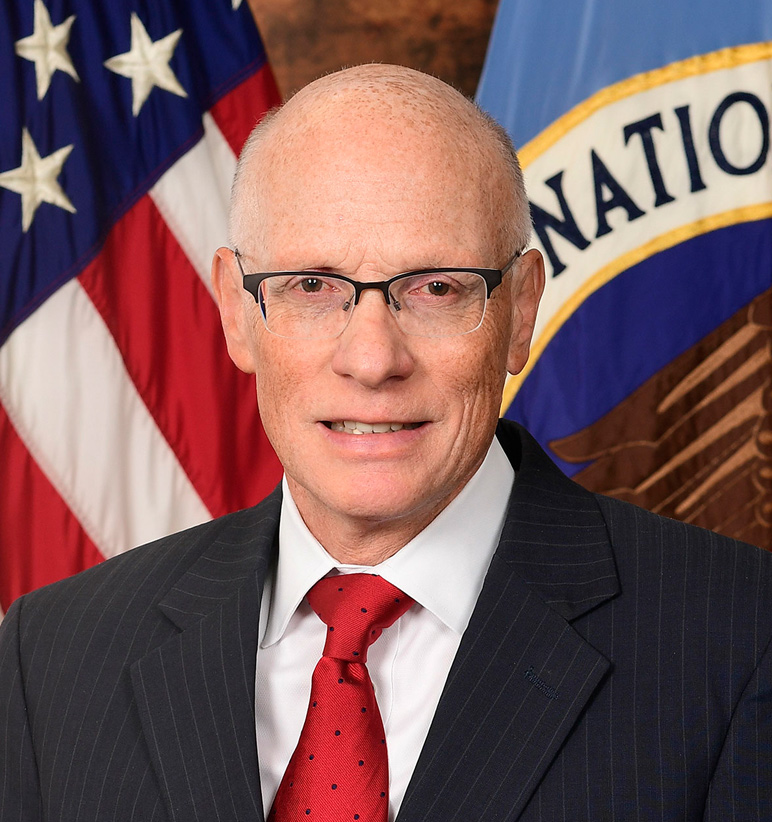
Former Deputy Director, National Security Agency
George Barnes served as Deputy Director and senior civilian leader of the National Security Agency from April 2017 through September 2023, capping a 36-year career at the agency. As NSA's chief operating officer, he oversaw strategy, policy, and operations, and positioned the agency as an integrated mission partner across the U.S. defense and intelligence enterprise. He is now President of Red Cell Partners' Cyber Practice and a Partner at the firm.
LTG Robert (Bob) P. Ashley Jr., USA (Ret.)
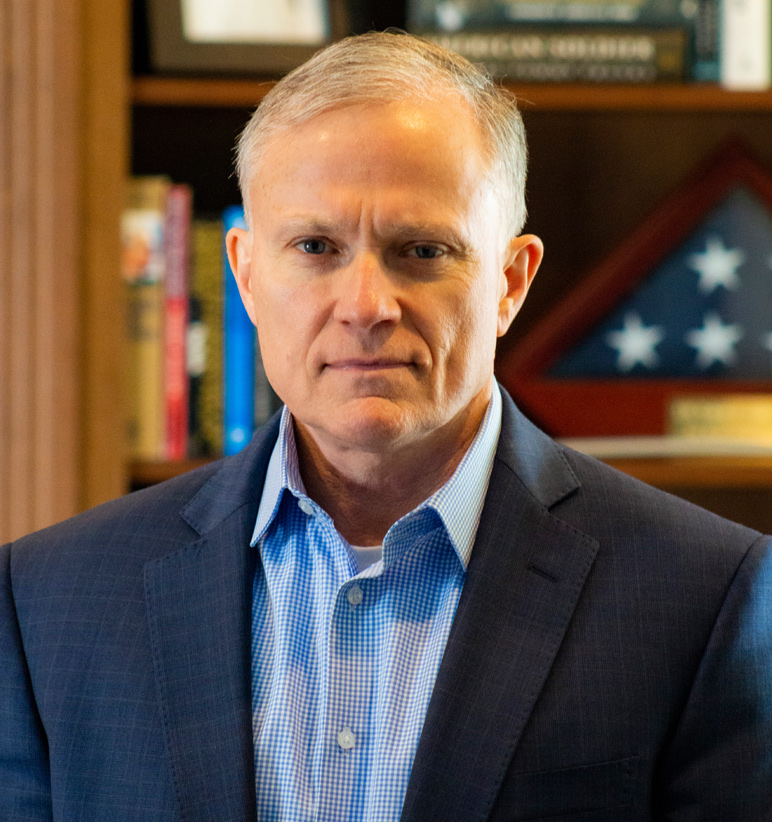
Former Director, Defense Intelligence Agency
Bob Ashley is a retired Army lieutenant general and career intelligence officer with 36 years of active-duty service. He served as the 21st Director of the Defense Intelligence Agency, as the Army's senior intelligence officer, and as commandant of the Army Intelligence Center and School, where he led the training of more than 10,000 soldiers a year. He deployed for several years as a brigade and squadron commander in Afghanistan and Iraq and as the senior intelligence officer for multiple commands.
Gerard (Gerry) A. Fasano
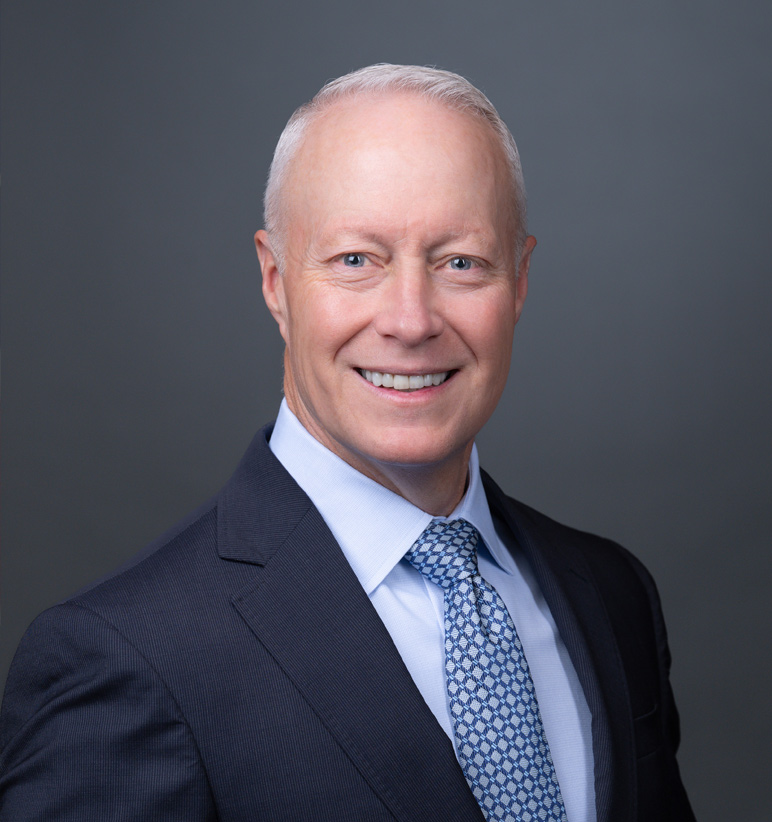
Former Chief Growth Officer, Leidos
Gerry Fasano is a board director and former corporate officer with more than four decades of experience leading and scaling defense and technology enterprises. He retired as Chief Growth Officer of Leidos, where he led enterprise-wide teams across business development, capture, government affairs, communications, and strategy after serving as President of the Leidos Defense Group. Before Leidos, he led Lockheed Martin's Information Systems & Global Solutions Business Development and Mergers & Acquisitions organization and served as General Manager of its Defense Group.
Gilbert (Gil) Herrera
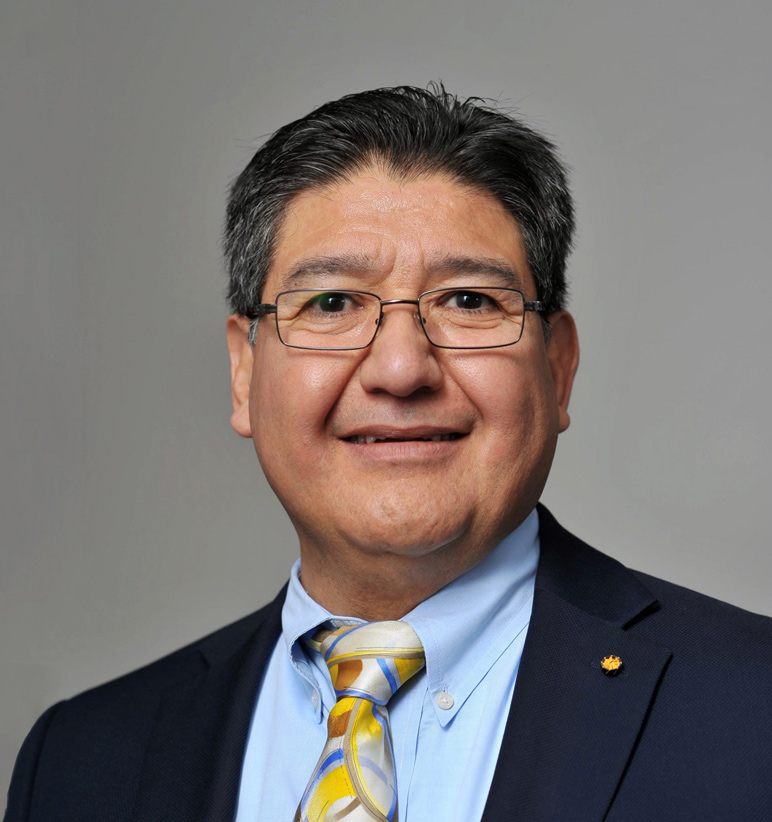
Former Director of Research, National Security Agency
Gil Herrera is a nationally recognized technical expert in quantum information science, microelectronics, and national security research. Over a 45-year career in national laboratories, government, and the private sector, he served as Director of Research at the National Security Agency and spent nearly 40 years at Sandia National Laboratories, where his last assignment was Laboratory Fellow. He previously served with NSA on loan from Sandia as Director of the Laboratory for Physical Sciences.
David P. Luber

Former Director of Cybersecurity, National Security Agency
Dave Luber served 38 years at the National Security Agency, culminating as Director of Cybersecurity and Deputy National Manager for National Security Systems. His career spanned signals intelligence and cybersecurity, including leadership within Tailored Access Operations as Chief of the Remote Operations Center and Chief of Advanced Network Operations, and as Director of NSA Colorado. He also served as Executive Director of U.S. Cyber Command, the highest-ranking civilian position at USCYBERCOM. He is the founder of Luber Cyber LLC.
Gen. John M. (Mike) Murray, USA(Ret.)
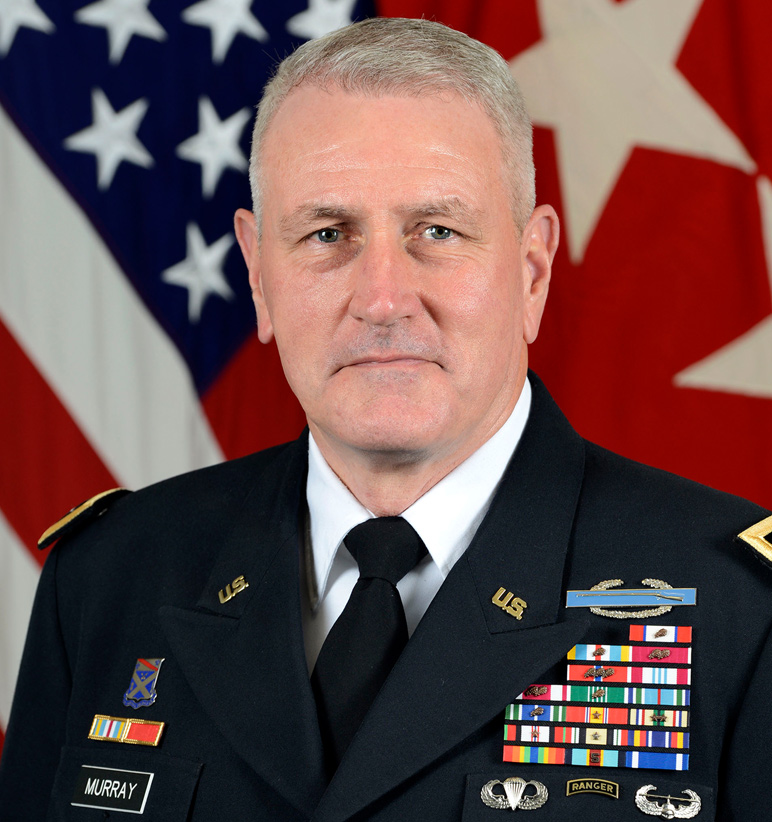
First Commanding General, U.S. Army Futures Command
Mike Murray began his 40-year Army career in 1982, commissioned as an infantry officer through The Ohio State University's Army ROTC program. In 2018, he became the first Commanding General of United States Army Futures Command, a new four-star command headquartered in Austin, Texas. His Pentagon assignments included Deputy Chief of Staff, G-8, and Director of Force Management. During Operation Iraqi Freedom, he served as a brigade combat team commander, as corps operations officer during the Surge, and as Deputy Commanding General of the 1st Cavalry Division. He also served as Deputy Commander for Support and Commander of Task Force 3 in Afghanistan during Operations Enduring Freedom and Resolute Support.
Kevin M. O'Connell
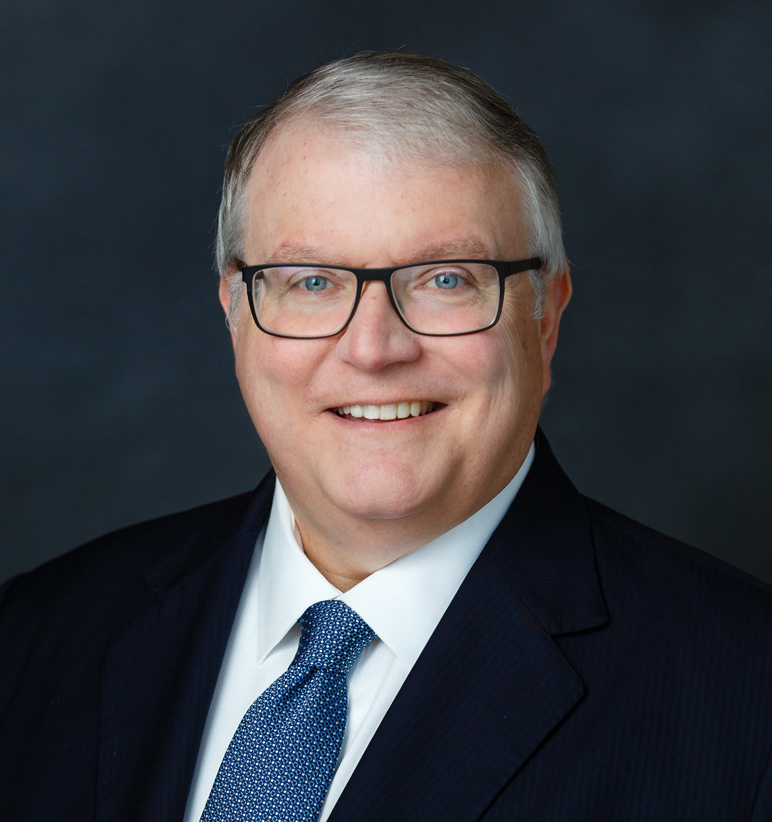
Former Director, Office of Space Commerce, U.S. Department of Commerce
Kevin O'Connell is CEO of Space Economy Rising, an advisory firm serving space companies, investors, and other stakeholders in the space economy, and a recognized expert on space commerce, the global space economy, and U.S. national security. For almost four decades, he has focused on space commercialization and technological competitiveness. From 2018 to 2021, he directed the Office of Space Commerce at the U.S. Department of Commerce, serving as the principal U.S. government advocate for the commercial space industry. His earlier career spanned the Department of Defense, the Department of State, the National Security Council, the Office of the Vice President, the Office of the Director of Central Intelligence, and RAND Corporation. He sits on the Board of Directors of the Space Foundation and the US Geospatial Intelligence Foundation.
Steven H. Walker, PhD

Former Director, DARPA; former CTO, Lockheed Martin
Steve Walker is an independent consultant advising industry, academia, and government on defense technology development and strategic innovation. He recently retired as Vice President and Chief Technology Officer of Lockheed Martin, where he was responsible for technology strategy, internal R&D, strategic partnerships, and research laboratories, and stood up the Lockheed Martin AI Center. Before Lockheed Martin, he led the Defense Advanced Research Projects Agency from 2017 to 2020 after serving as Deputy Director from 2013, developing new commercial space technologies, next-generation aircraft and missile prototypes, hypersonic glide and powered propulsion systems, mRNA vaccines, and AI-powered cybersecurity and spectrum dominance capabilities. He also served as Deputy Assistant Secretary of the Air Force for Science, Technology, and Engineering.
Looking Ahead
The federal question about quantum has shifted from whether it works to how it is bought, authorized, fielded, and sustained for the missions that need it. The Federal Advisory Board helps IonQ approach that question the way its customers do.
If you found this article useful, subscribe to the Quantum for the Mission newsletter for monthly updates on policy, technology, and quantum news for federal stakeholders.